Strategic Foresight
Guiding organizations through emerging technologies and uncertainty with foresight, judgment, and intention.
As AI and emerging technologies began to accelerate, SAP lacked a clear, customer-informed, longitudinal vision to guide innovation. While peer organizations were investing heavily in dedicated foresight teams, innovation hubs, and future-focused strategy groups, the Core Design organization was asked to establish this capability largely from scratch—without precedent, budget, or a defined operating model.
Over a two-year period, we built a strategic foresight practice grounded in human-centered research rather than speculation. The work combined longitudinal user research, a global customer engagement initiative, and sustained desk research to understand not only how technology was evolving, but how perceptions, fears, and expectations were changing over time. What made this work particularly challenging was the pace of change itself: between studies, the technology shifted, and participant responses evolved dramatically—from skepticism and fear to curiosity and acceptance—making static predictions insufficient.
Innovation was not yet a prioritized investment area within the organization, and the team was required to operate with limited support and limited opportunities to translate findings into immediate action. As Head of Strategic Foresight, my role was to hold coherence across this uncertainty: helping the team distinguish between what was conceptually interesting and what was realistically actionable within SAP’s domain, grounding future-facing ideas in plausible timeframes, and ensuring the work remained credible and connected to real user needs.
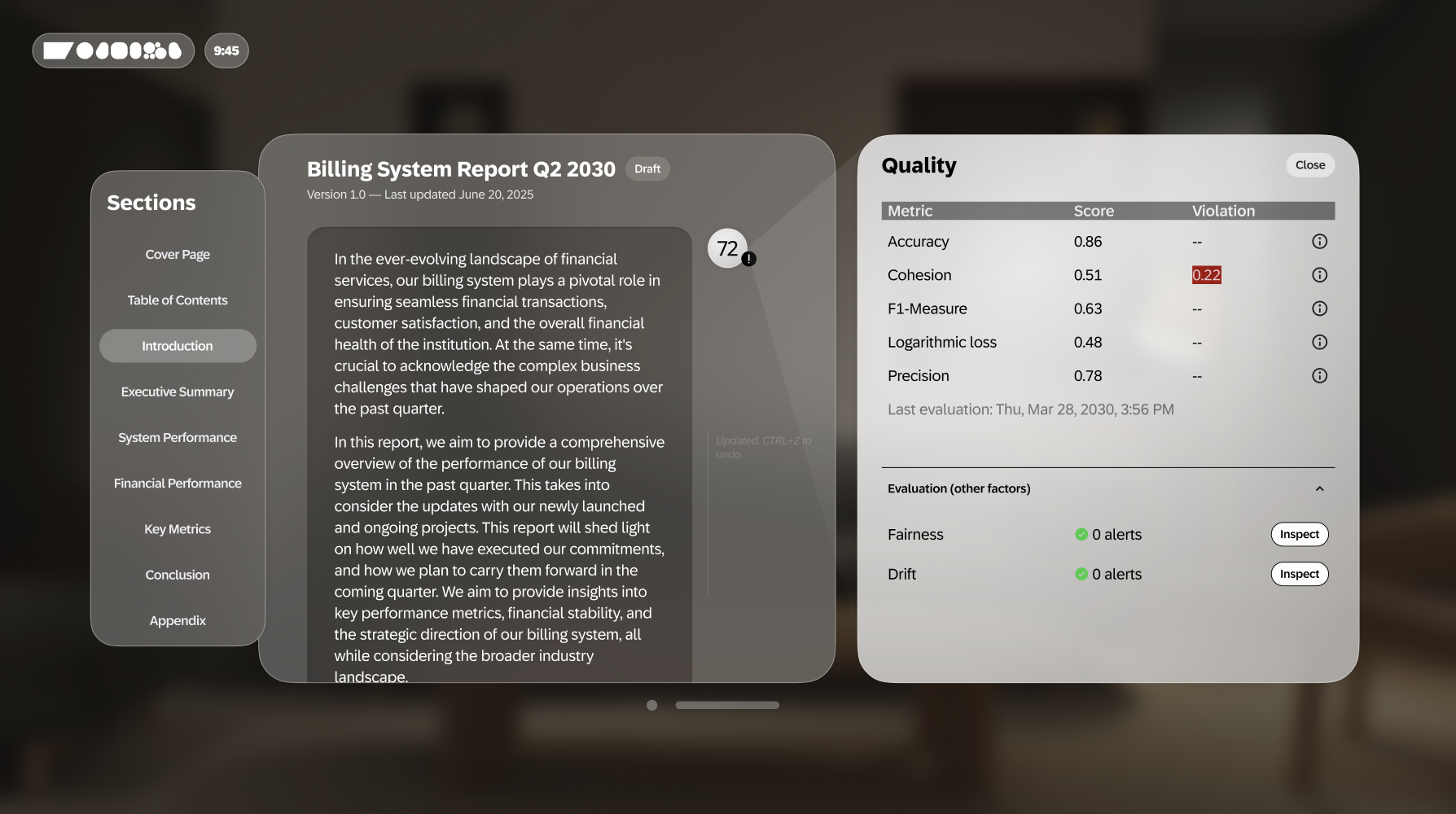
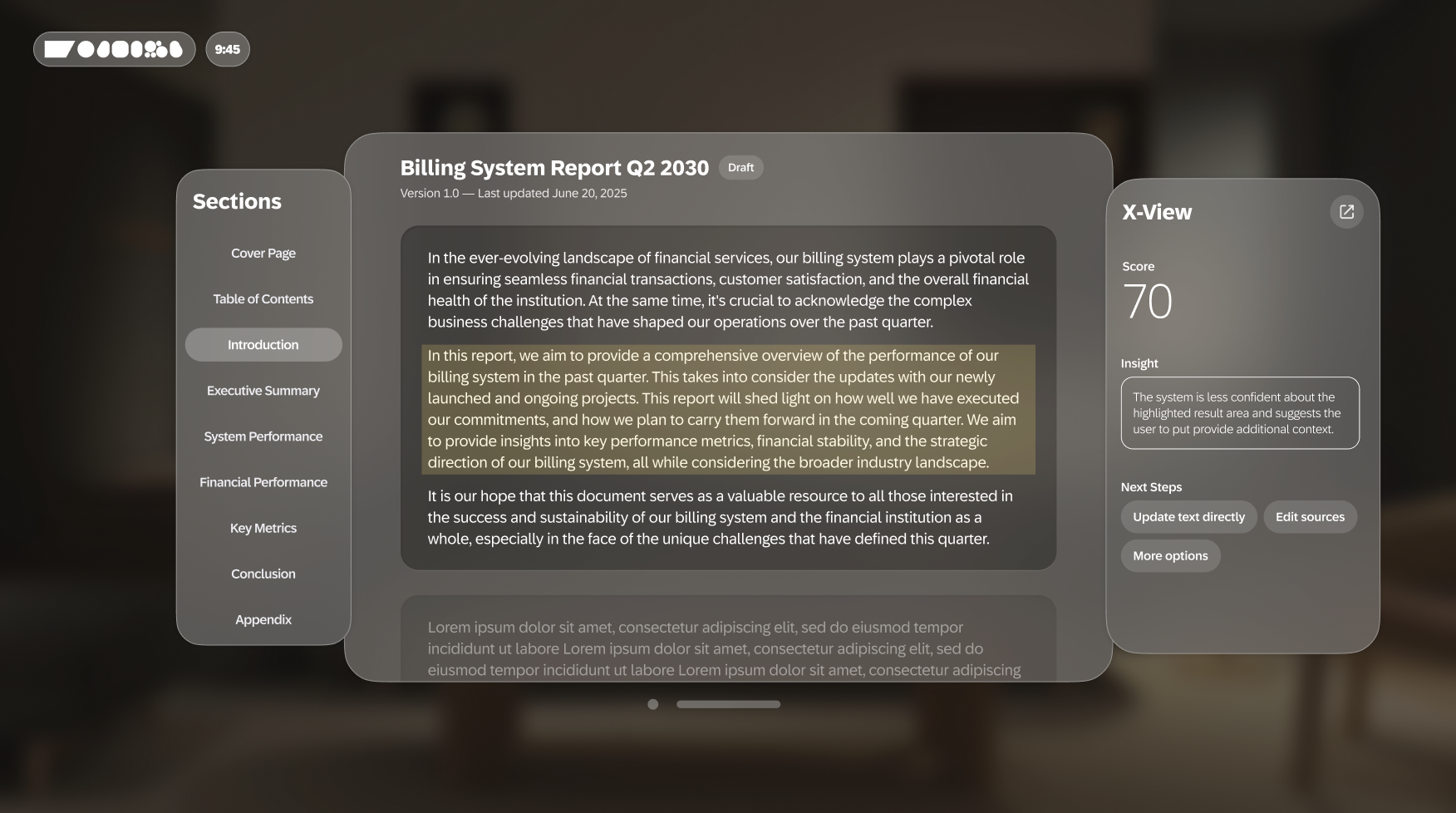
Despite the constraints, the practice produced meaningful outcomes. The team developed a series of strong prototypes, reframed internal conversations around enterprise operating systems and AI-assisted workflows, and contributed to a more grounded understanding of how AI could support—not overwhelm—enterprise users. Elements of this thinking were later validated as the organization’s direction evolved, even when the original work was no longer visible. More importantly, the effort helped shift the quality of questions being asked, enabling more thoughtful, informed decision-making during a period of profound change.