Future of Sustainable Packaging
Exploring the limits and possibilities of sustainability through multi-stakeholder, real-world systems research.
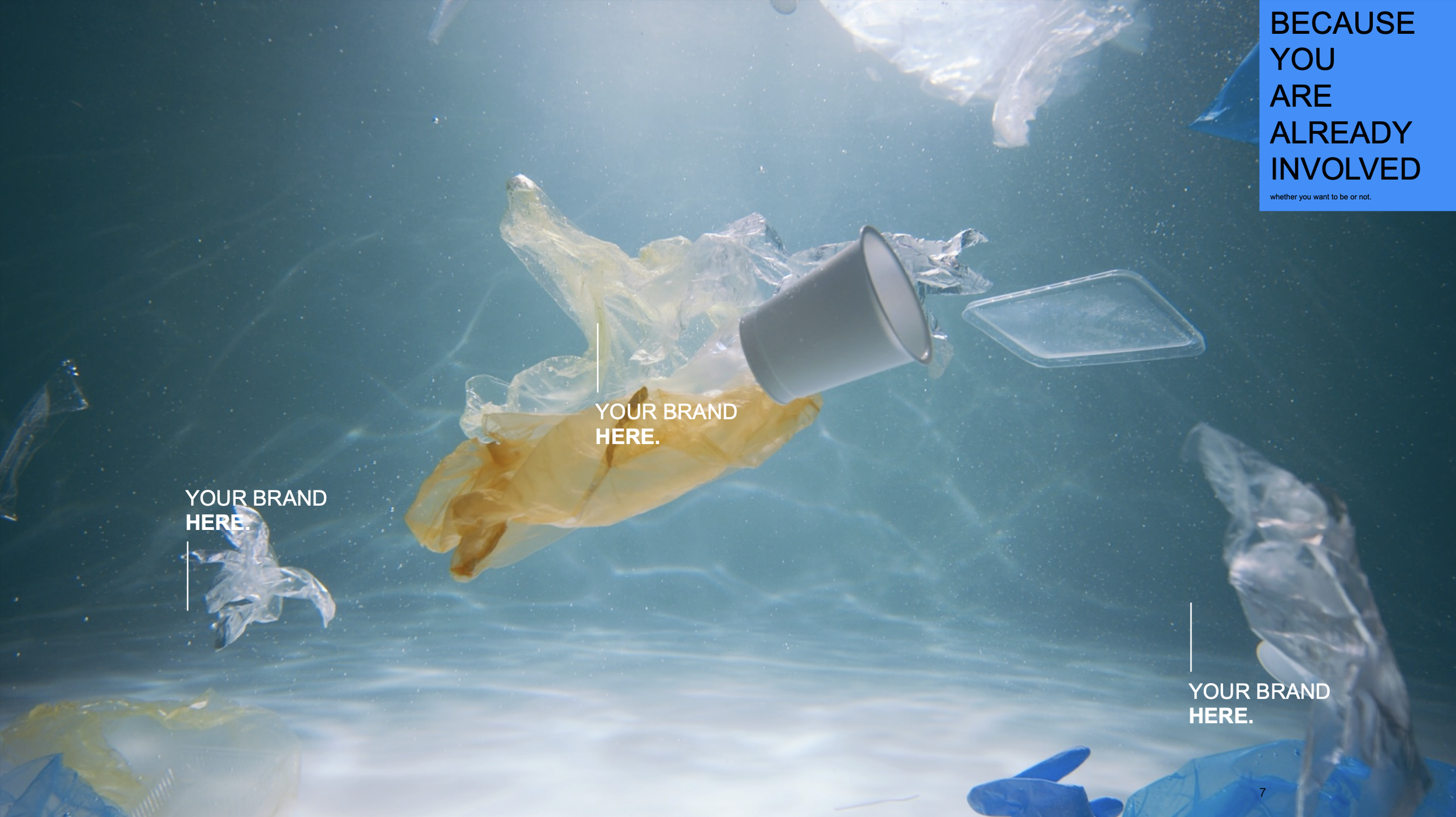
This work began with an ambitious goal: to convene a consortium of SAP customers to collaboratively address the environmental impact of global packaging systems. Early momentum was strong, with interest from large, influential brands and the allocation of significant resources to assemble a cross-disciplinary team of leading academics and experts in packaging, sustainability, and materials science. The intention was to move beyond isolated initiatives and explore the problem from a truly global, systems-level perspective.
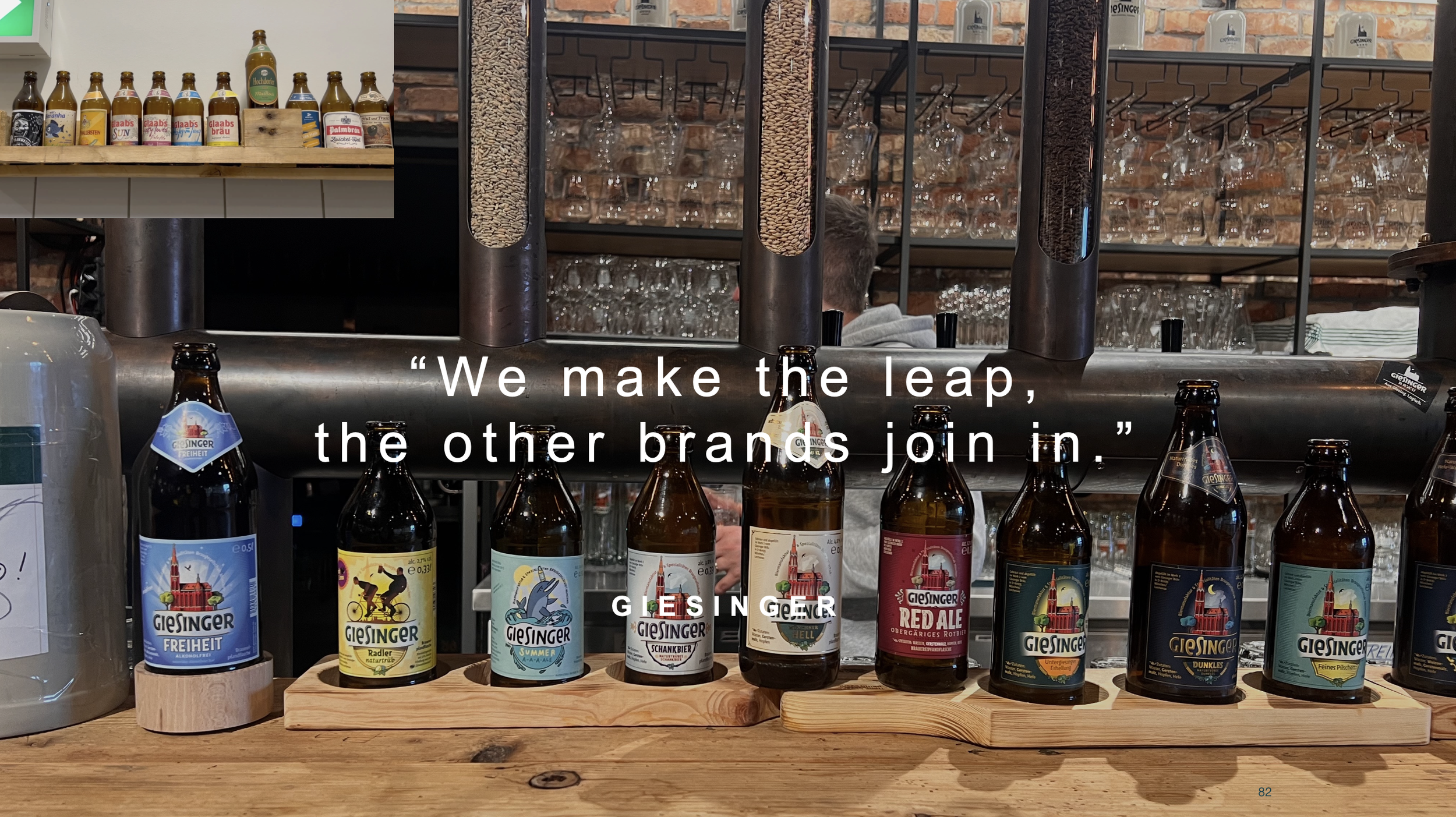
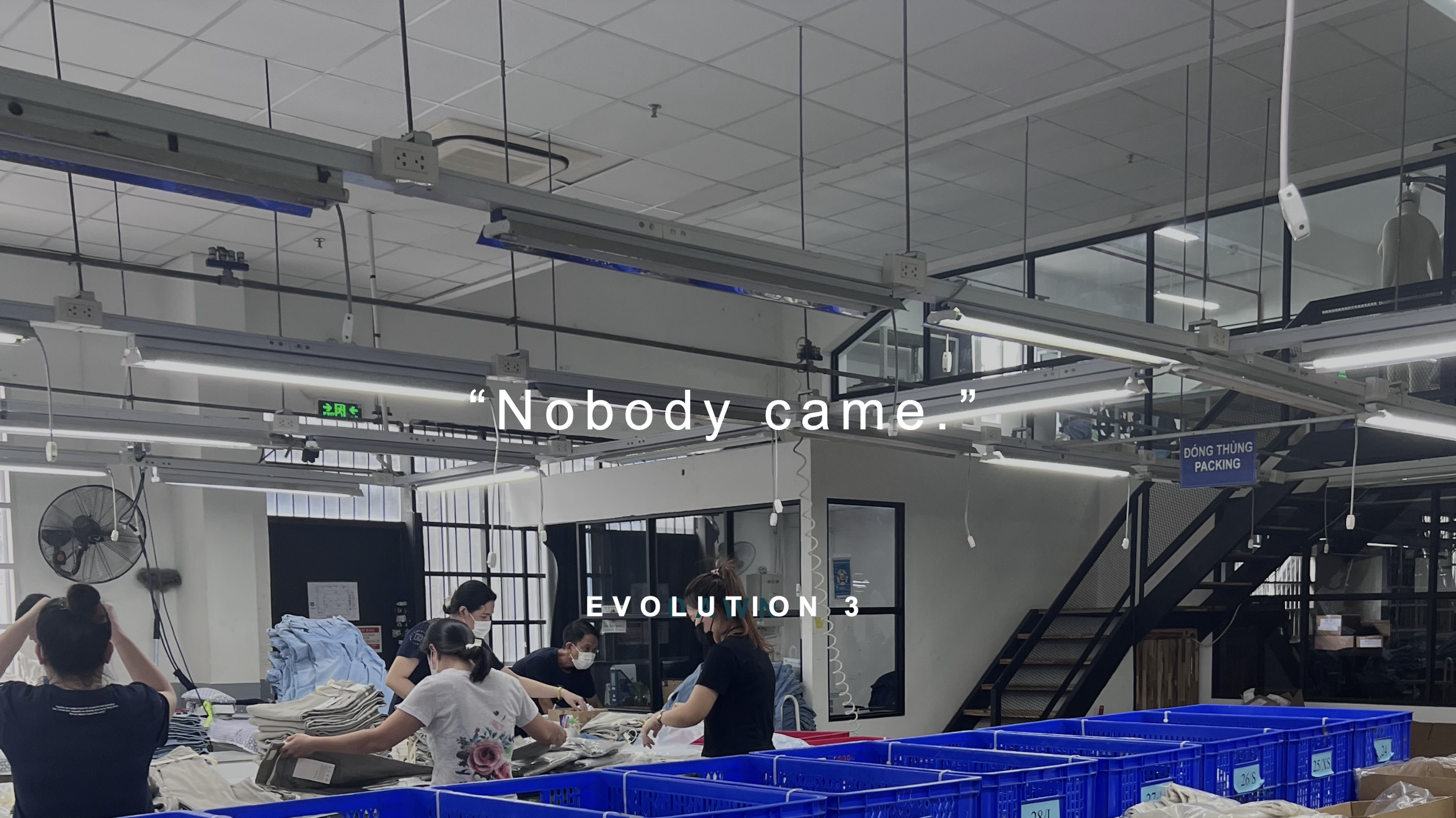
The complexity of the work quickly became apparent. As the project progressed, many large brands were unable—or unwilling—to continue participating. Legal, competitive, and brand constraints made sustained collaboration difficult, and commitments to long-term structural change proved fragile. Over time, participation shifted toward smaller brands with less capacity to influence global supply chains, highlighting a fundamental tension between sustainability goals and existing business incentives.
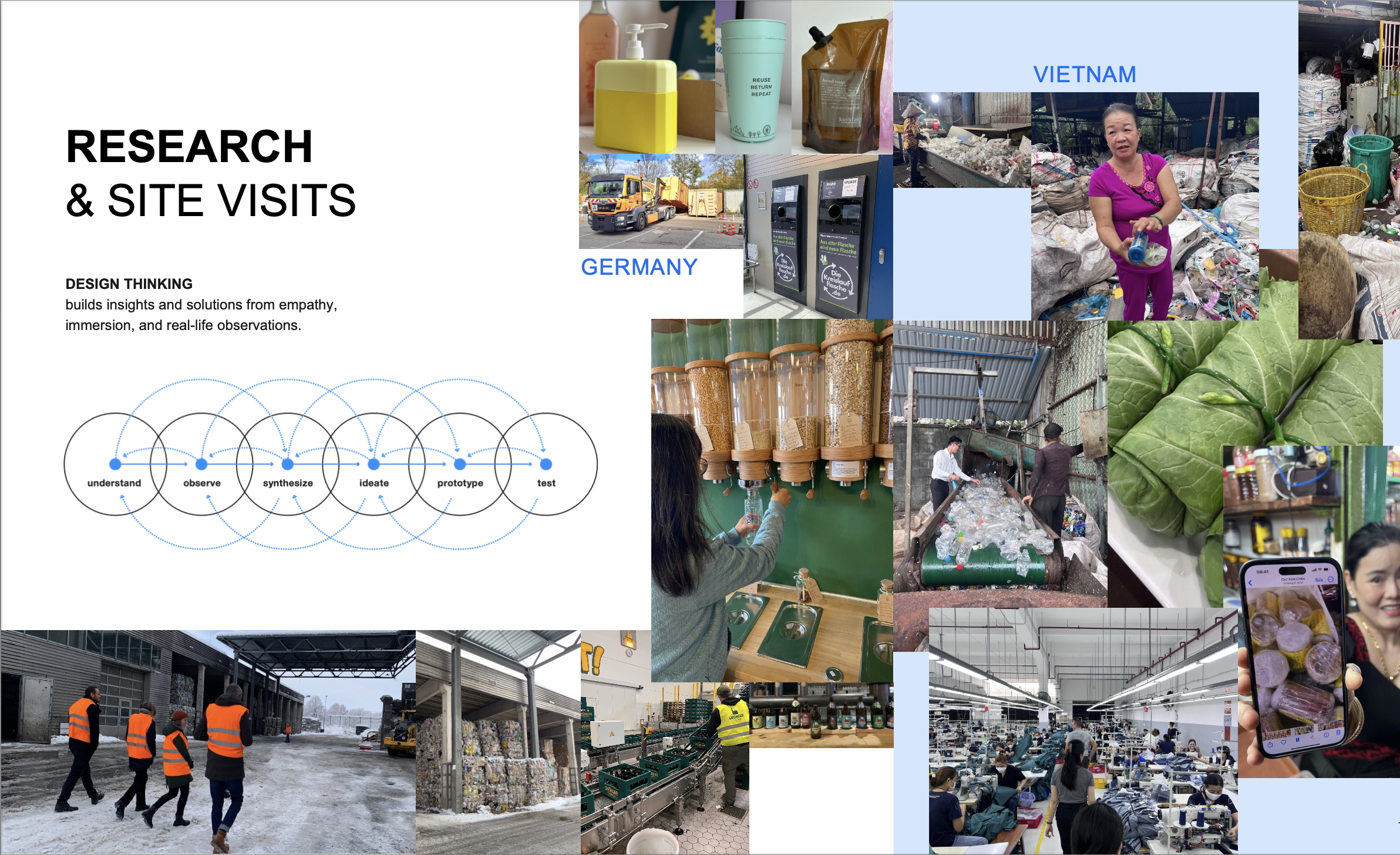
My role was centered on system framing, research leadership, and sense-making across disciplines. Working with the Foresight Academy, I contributed to shaping and sustaining the research effort over six months, helping to build a grounded understanding of the problem space rather than chasing speculative solutions. The team engaged deeply with the realities of global waste and reuse systems—visiting recycling facilities, reuse businesses, and homes built around lifetime reuse; interviewing waste pickers in Southeast Asia; studying Japan’s highly structured waste programs alongside failing systems in Western contexts; and examining emerging materials and their unintended consequences, including the limits of recycling and the unknown impacts of microplastics.
The most significant outcome of the work was a shift in understanding. The research surfaced uncomfortable but necessary insights: that single-use plastics can play a critical role in some regions; that material “solutions” often introduce new, poorly understood risks; and that even well-resourced global organizations face profound limitations when attempting to change entrenched systems alone. Rather than producing a single answer, the work reframed the problem—clarifying where intervention is possible, where tradeoffs are unavoidable, and why meaningful progress requires coordination across policy, industry, and culture.
The project reinforced a core lesson that has shaped my leadership approach: design can illuminate complexity and surface truth, even when solutions are partial or slow. In this case, success was not defined by immediate implementation, but by developing a more honest, informed foundation for future action.